Doris Kaltenecker will join the IMP as group leader in 2027
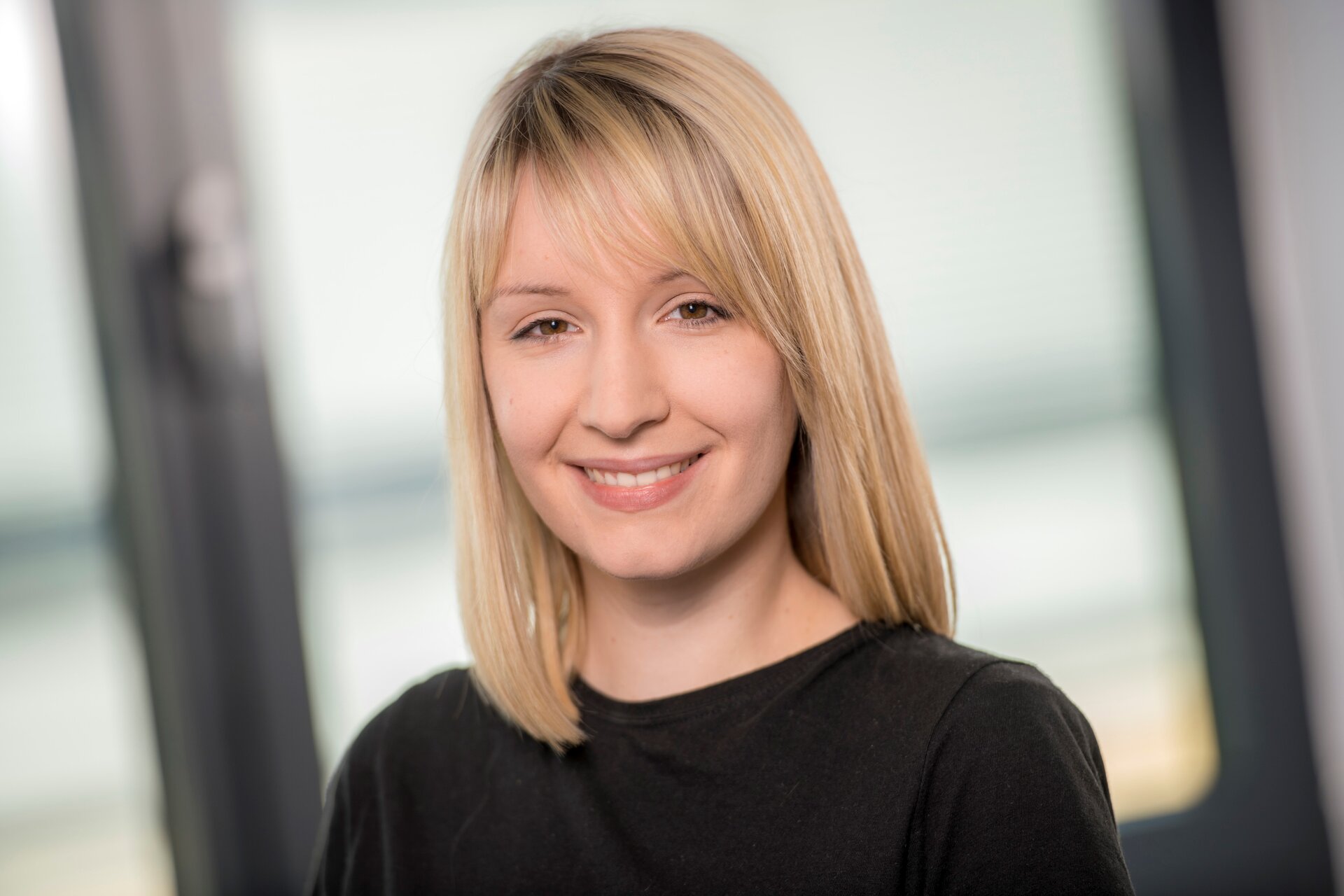
Doris Kaltenecker is wrapping up her postdoc at Helmholtz Munich, and will join the IMP as a Group Leader in March 2027. Her IMP lab will study how molecular signals from individual organs affect the whole body in systemic diseases with a particular focus on cancer cachexia.
Doris Kaltenecker, currently a postdoctoral researcher working in the groups of Mauricio Berriel Diaz and Ali Ertürk at Helmholtz Munich, will join the IMP to establish her lab in March 2027. Kaltenecker is already recruiting students through the Vienna BioCenter PhD Programme call of autumn 2026. The Kaltenecker lab will study how molecular signals from individual organs influence the entire body in health and disease, with special attention to diseases that affect multiple organs and tissues simultaneously. Our body relies on constant communication between different organs. The liver, muscles, fat, brain and immune system continuously exchange molecular signals to coordinate metabolism, energy use and responses to changing conditions.
In systemic diseases such as cancer cachexia, a wasting syndrome characterised by involuntary weight loss, this communication can become harmful: signals released by one organ may change the behaviour of cells in distant tissues, contributing to inflammation, changes in how the body uses energy, and the pathological loss of muscle and fat.
Doris Kaltenecker’s lab will study where these signals originate, how other organs respond to them, and whether interfering with this communication could help counter systemic disease. To do so, the group will combine molecular biology, functional genomics and genetic perturbation with whole-body imaging, spatial profiling and AI-based computational analysis. This integrative approach will allow the lab to uncover disease-associated changes across organs that conventional tissue-by-tissue analyses may miss and to connect organism-wide phenotypes to their underlying molecular mechanisms.
For Kaltenecker, joining the IMP also marks a return to Vienna. She studied Molecular Biotechnology at FH Campus Wien before completing her PhD at the Medical University of Vienna and the Ludwig Boltzmann Institute for Cancer Research. She then moved to Helmholtz Munich, where her postdoctoral research brought together metabolism, molecular biology, whole-body imaging and computational analysis.
“It’s very exciting to return to Vienna and establish my lab at the IMP,” says Kaltenecker. “The institute’s collaborative environment and its strengths across gene regulation, immunology, cancer research and computational biology make it an ideal place to study disease across organs and disciplines. I am also very much looking forward to coming back to Vienna, a city I know well and am excited to call home again.”
Kaltenecker will establish her lab at the IMP in March 2027 and is already recruiting through the Vienna BioCenter PhD Programme call in autumn 2026.
Further Reading
Kaltenecker lab
Vienna BioCenter PhD Program (call of autumn 2026)