Six emerging scientists receive the International Birnstiel Award 2026

The 2026 International Birnstiel Award for Doctoral Studies in Molecular Life Sciences has named its laureates — the eighth cohort since the award was established in 2019. This year's selection drew 109 nominations from institutions around the world. Six researchers have been chosen: Joe Dobbs (European Molecular Biology Laboratory), Maximilian Madern (Hubrecht Institute), Hannah Tam (Harvard University), Stephen Tang (Columbia University Medical Center), Abigail Xie (Sloan Kettering Institute), and Zhejing Zhang (Kyoto University).
The selection panel’s assessment of this year’s pool of nominees left no doubt: “We were again overwhelmed by the quality of the nominees,” said one member. “Reading through all these nominations of brilliant people makes you want to go straight to your lab and get up to gear.” The response reflects a broader truth about the award: in eight years, the calibre of candidates has never ceased to impress as the Birnstiel Award’s reputation continues to grow.
The 2026 cohort adds two novelties to the award’s history. Zhejing Zhang becomes the first laureate affiliated with a Japanese institution — a strong sign for the award’s global reach. And Maximilian Madern’s selection means that the research group of Marvin Tanenbaum at the Hubrecht Institute has become the first lab that has produced two Birnstiel Award winners (after Sanne Boersma in 2021), something no other research group has achieved to date.
The laureates will be celebrated at a ceremony in Vienna on 4 November, where each will receive a certificate, a trophy, and a prize of 2,000 Euros. The Birnstiel Award accepts one nomination per institution or PhD programme annually; calls go out each May through the IMP website, social media, and a dedicated campaign. The award is a joint initiative of the Max Birnstiel Foundation and the Research Institute of Molecular Pathology (IMP), the institute where Max Birnstiel served as founding director.
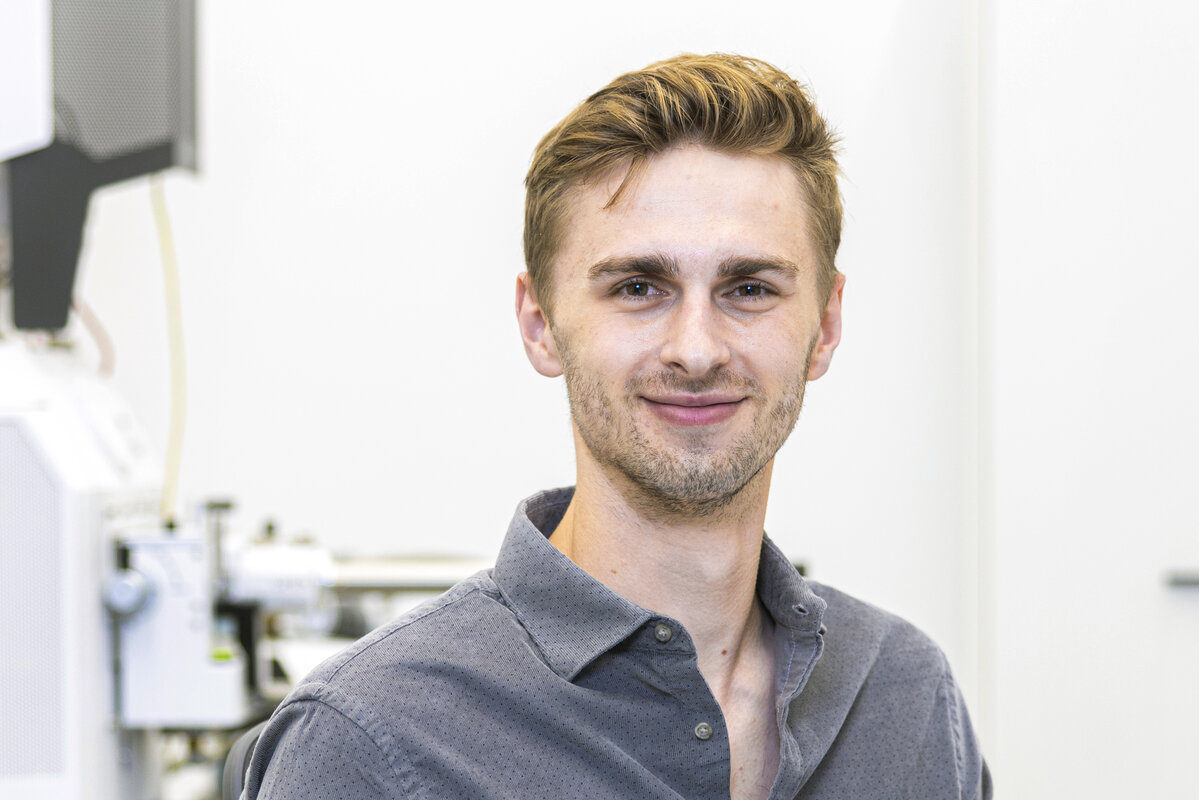
Joe Dobbs, European Molecular Biology Laboratory (EMBL)
Supervisor: Julia Mahamid
The process of gene expression, where DNA is transcribed into mRNA by RNA polymerase and then translated into proteins by the ribosome, is central to every living organism. The regulatory mechanisms involved are diverse and depend on the specific cellular and environmental context. Joe Dobbs investigated how these interconnected systems operate by examining individual bacterial cells with a transmission electron microscope. He combined this technique with advances in image analysis, AI, and structure prediction to identify molecules and analyse their structures at high resolution. His work demonstrated how entire molecular cycles can be studied within their functional cellular contexts. Using this approach, he made several fundamental discoveries about how the molecular machinery of gene expression is coordinated. These findings shed light on bacterial translation initiation, the coupling of transcription and translation, ribosome attachment to membranes, and viral infection.
Joe Dobbs studied microbiology at the University of Victoria (Canada), graduating with honours in 2020. He then joined the European Molecular Biology Laboratory (EMBL) in Heidelberg (Germany) for his doctoral research with Julia Mahamid, graduating summa cum laude. Prior to his PhD, he worked at the MRC Laboratory of Molecular Biology (LMB) in Cambridge (United Kingdom). During his doctorate he completed a competitive internship at Genentech. Dobbs is now a postdoctoral fellow with Erin Schuman at the Max Planck Institute for Brain Research in Frankfurt.
Featured Publication:
Dobbs J.M., Jensen R.K., Mahamid J.: “Single-cell visual proteomics of a minimal bacterium reveals structural coordination in gene expression machineries.” Cell (accepted; preprint at bioRxiv, 2025). DOI: 10.1101/2025.10.13.682074
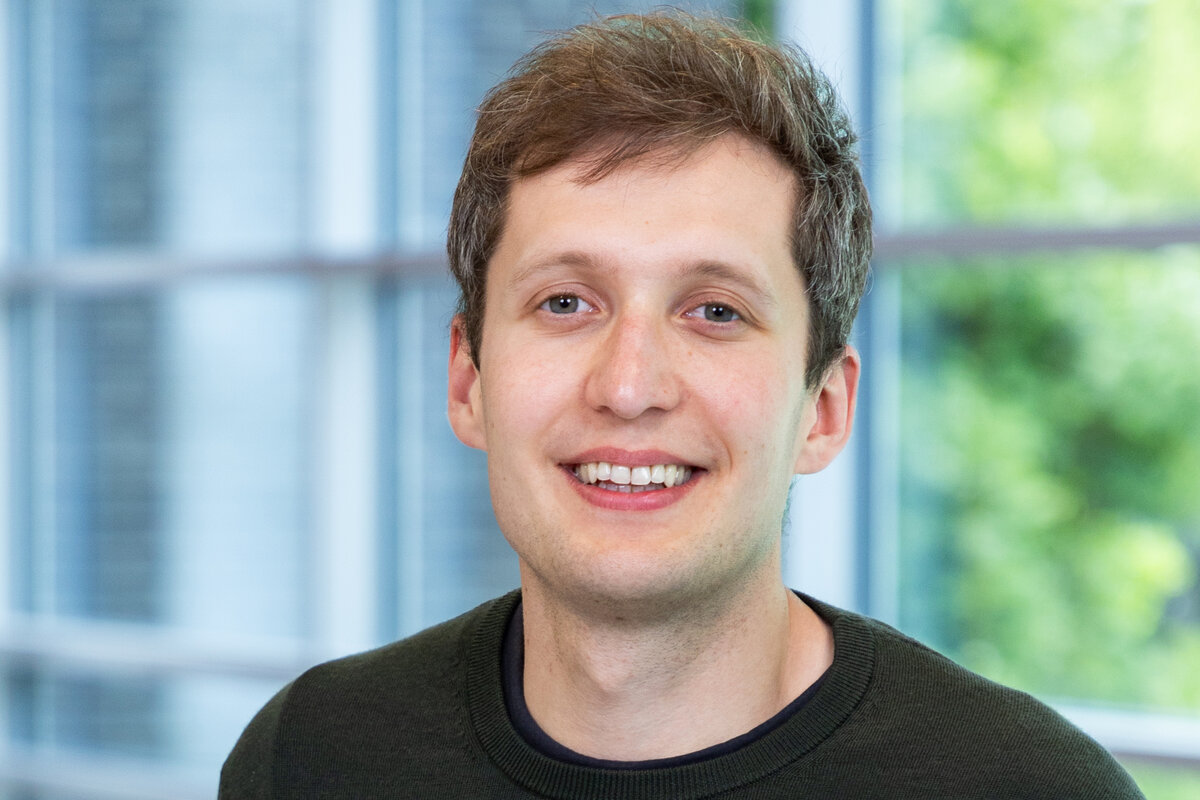
Maximilian Madern, Hubrecht Institute
Supervisor: Marvin Tanenbaum
Ribosomes are complex molecular machines in our cells that build proteins. They read mRNA, a temporary copy of genetic information from DNA, and use it as a template to synthesize proteins. Although several ribosomes often translate the same mRNA at the same time, it was unclear whether they influence one another during translation. Maximilian Madern developed a new microscopy technique that allows individual ribosomes to be observed at work inside living cells. Using this method, he found that ribosomes frequently come into close contact and collide with one another. Rather than always being harmful, these collisions can be beneficial: when a ribosome stalls on a difficult mRNA sequence, a following ribosome can help it rapidly become “unstuck” and continue translating. Madern calls this phenomenon “ribosome cooperativity”, a process in which ribosomes support one another to promote fast and efficient protein synthesis.
Maximilian Madern studied molecular biotechnology at FH Campus Vienna (Austria) and molecular biology at the University of Vienna, receiving his master's degree with distinction in 2018. He then joined the Hubrecht Institute in Utrecht (Netherlands) for his doctoral research with Marvin Tanenbaum. His work received the CS&D (Cancer, Stem cell and Developmental biology) PhD Programme Best Publication Award in 2025.
Featured Publication:
Madern M.F.*, Yang S.*, Witteveen O., Segeren H.A., Bauer M., Tanenbaum M.E.: “Long-term imaging of individual ribosomes reveals ribosome cooperativity in mRNA translation.” Cell (2025). DOI: 10.1016/j.cell.2025.01.016
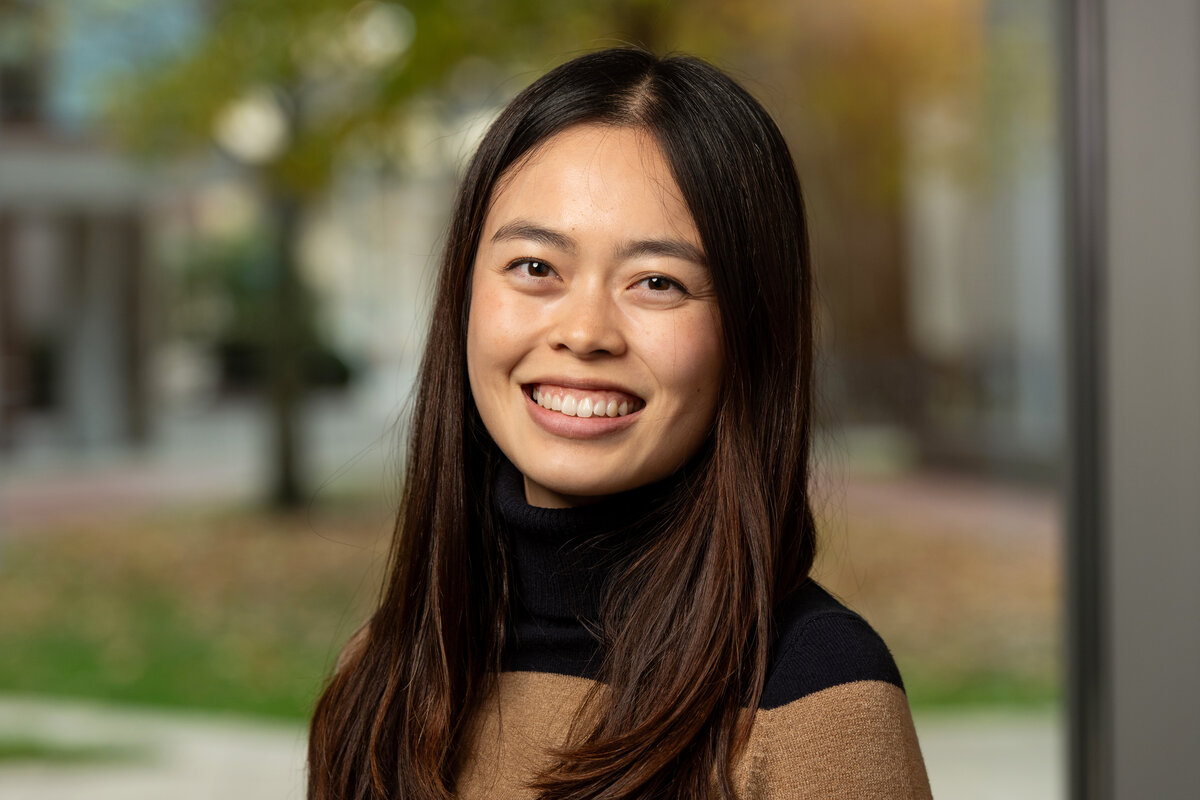
Hannah Tam, Harvard University
Supervisor: Ya-Chieh Hsu
Regeneration is challenging for mammals. When skin is injured, it scars. Although the wound closes, many skin cell types, including hair follicles, sweat glands, blood vessels, pigment cells, and fat, are lost. Consequently, skin can no longer regulate temperature or relay sensory information. By contrast, skin injured before birth can regenerate these diverse cell types, thereby rebuilding functional skin without scarring. Why regeneration disappears after birth, and whether it can be restored, were unknown. Hannah Tam discovered that regeneration is not lost but blocked. By comparing wounds before and after birth, she identified a fibroblast population in mice unique to wounds after birth that produces CXCL12, a signal that attracts excessive nerves to the wound. By removing CXCL12 or reducing neuronal activity, she found that skin injured after birth can regenerate diverse cell types, restoring functional and scarless skin. This work identifies a major barrier to scarless regeneration and provides opportunities for regenerative therapies.
Hannah Tam studied biochemistry at Northeastern University (United States), graduating summa cum laude in 2019. She then pursued her doctoral research at Harvard University with Ya-Chieh Hsu in the Department of Stem Cell and Regenerative Biology. Tam is now a postdoctoral fellow at The Scripps Research Institute in San Diego in the laboratory of Ardem Patapoutian.
Featured Publication:
Tam H., Peng J., Freeman R., Shwartz Y., Brielle S., Garg S., Rahmayanti S., Crocker S., Coon D., Hsu Y.-C.: “Hyperinnervation inhibits organ-level regeneration in mammalian skin.” Cell (2026). DOI: 10.1016/j.cell.2026.02.027
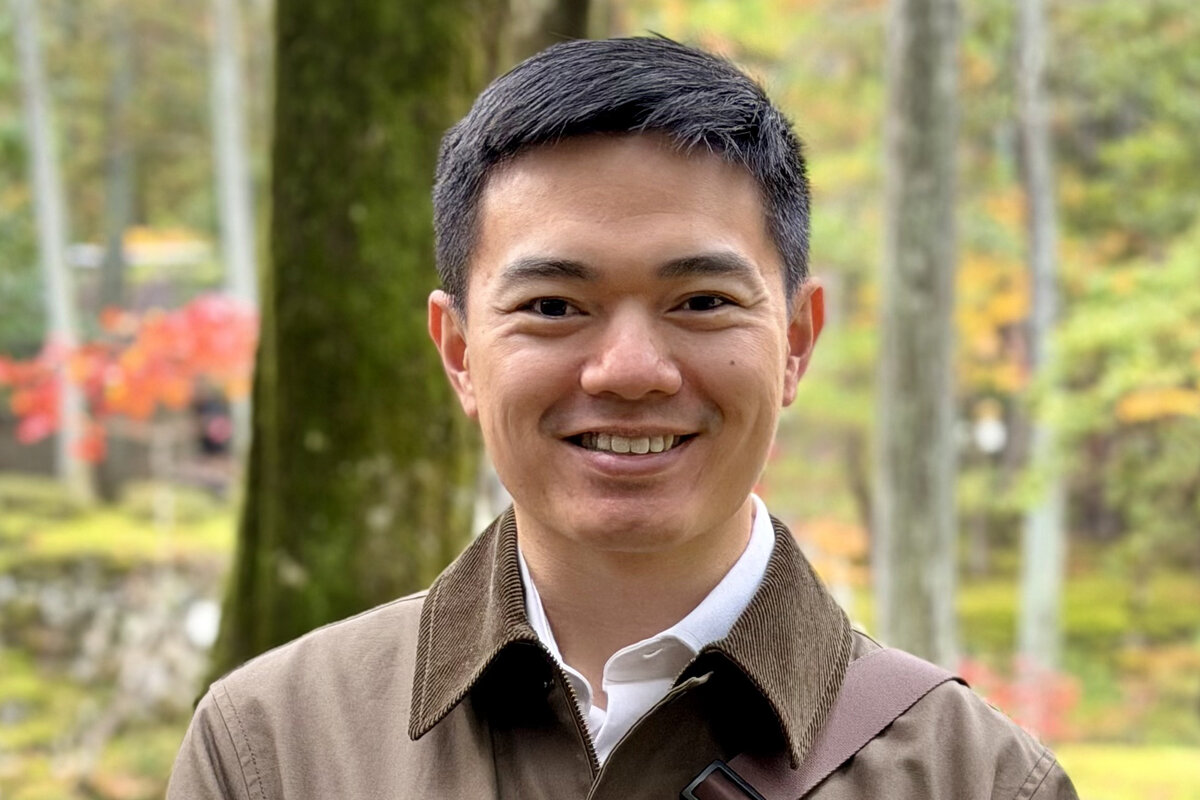
Stephen Tang, Columbia University Medical Center
Supervisor: Samuel H. Sternberg
Bacteria are under constant attack by viruses called bacteriophages, and over billions of years have evolved many strategies to survive infection. Stephen Tang examined an unusual family of bacterial defence systems that use reverse transcriptase enzymes to generate antiviral DNA molecules during infection. While DNA usually serves as a stable record of genetic information, the transient DNA molecules produced by these systems have alternative roles. In one system, they harbour transient “hidden” genes that, once expressed, produce toxic proteins that halt viral replication. In another, the DNA products themselves trigger cell death to limit further viral spread. Tang’s work also uncovered an unexpected evolutionary link between these bacterial enzymes and telomerase, the central enzyme responsible for maintaining chromosome ends in humans and other eukaryotes. Taken together, these findings reveal a new pathway for storing and expressing genetic information and point to a prokaryotic origin for a core mechanism of eukaryotic genome maintenance.
Stephen Tang studied molecular biophysics and biochemistry at Yale University (United States), graduating in 2018. He then joined Columbia University for his doctoral research in the laboratory of Samuel Sternberg, supported by a Ruth L. Kirschstein Predoctoral F30 Fellowship from the National Institutes of Health. Tang is currently completing the medical component of his MD-PhD training at Columbia University.
Featured Publication:
Tang S., Conte V., Zhang D.J., Žedaveinytė R., Lampe G.D., Wiegand T., Tang L.C., Wang M., Walker M.W.G., George J.T., Berchowitz L.E., Jovanovic M., Sternberg S.H.: “De novo gene synthesis by an antiviral reverse transcriptase.” Science (2024). DOI: 10.1126/science.adq0876
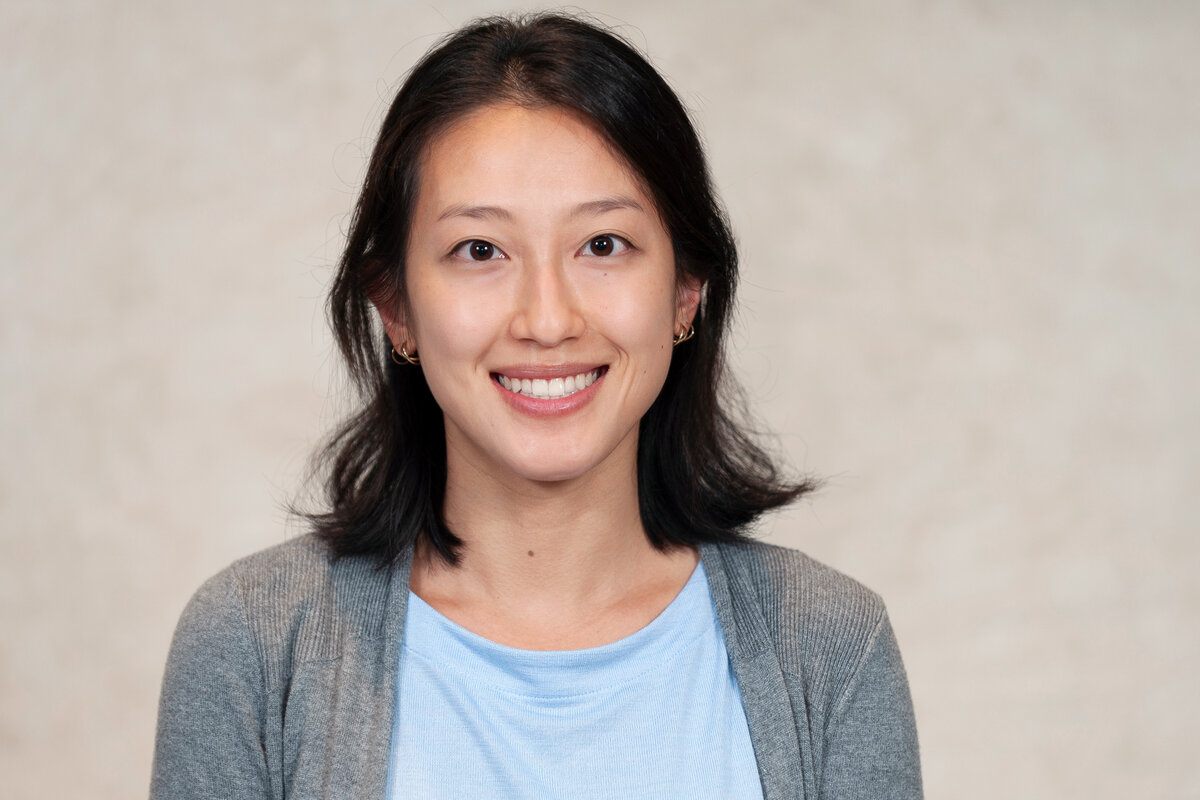
Abigail Xie, Sloan Kettering Institute
Supervisor: Lydia Finley
Metabolism allows cells to convert nutrients into energy and molecules required to sustain life. At the heart of metabolism is the tricarboxylic acid (TCA) cycle, a pathway that provides cellular energy and metabolic intermediates. However, heterogeneity in TCA cycle-associated diseases suggests that different steps of the TCA cycle become important in different contexts, arguing that beyond just producing energy, each step of the pathway may perform distinct cellular functions. Abigail Xie identified a previously unappreciated function of the TCA cycle: metabolite clearance. She and her collaborators discovered that when cells produce citrate at high levels, catabolising citrate in the first step of the TCA cycle becomes essential to maintaining cell fitness in an array of cancer cells and organs. This work shows that, beyond the traditional outputs of the TCA cycle, nutrient clearance is an additional essential function of the TCA cycle required to sustain cellular health in specific contexts.
Abigail Xie studied biology at Duke University (United States), graduating magna cum laude in 2018. She conducted her doctoral research in the laboratory of Lydia Finley at the Sloan Kettering Institute in New York, supported by a Ruth L. Kirschstein Predoctoral F30 Fellowship from the National Cancer Institute. Xie is currently completing the medical component of her MD-PhD training at Weill Cornell Medicine.
Featured Publication:
Xie A.*, Brunner J.S.*, Bridgeman A.E., Paras K.I., Cui R., Fagoaga-Eugui M., Arnold P.A., Jackson B.T., Montero A.M., Madrazo S.N., Atmane M.I., Carrasco S.E., Finley L.W.S.: “Citrate clearance is a major function of aconitase 2 in the canonical TCA cycle.” Cell (2026). DOI: 10.1016/j.cell.2026.01.028
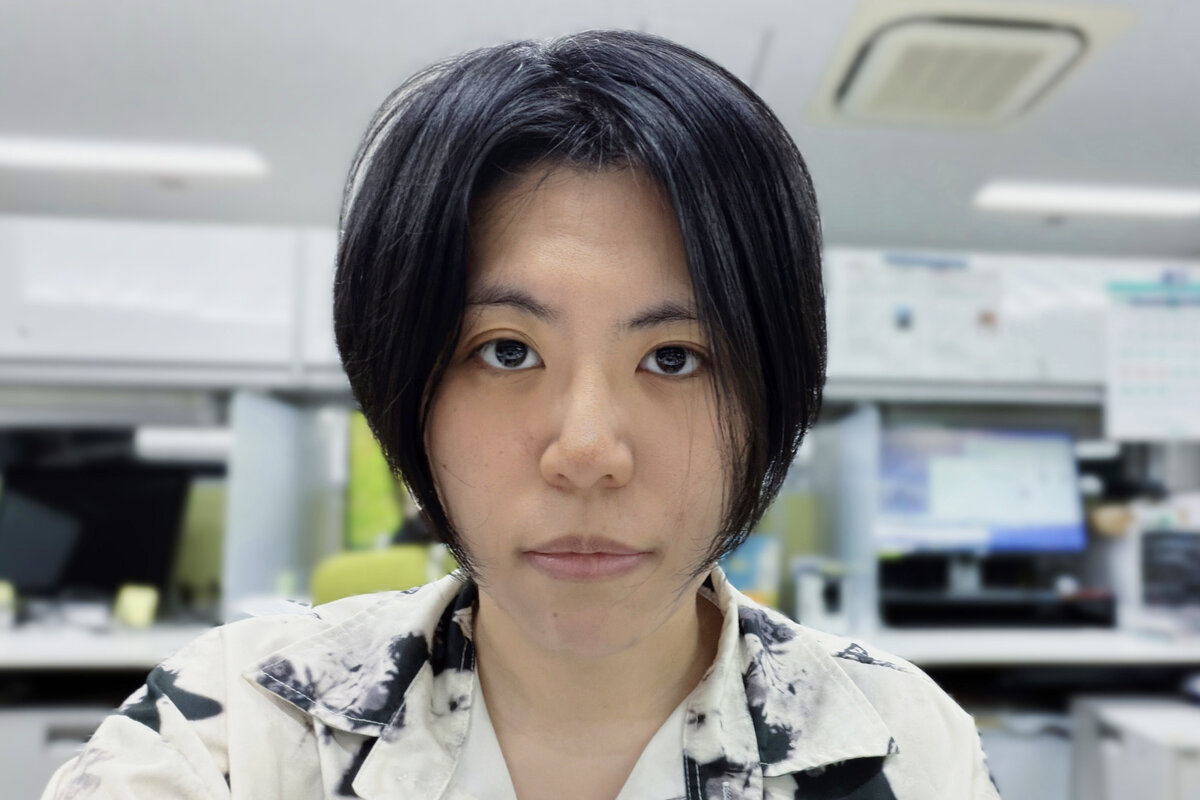
Zhejing Zhang, Kyoto University
Supervisor: Mineko Kengaku
During brain development, neurons migrate from the sites where they are produced to those where they function. Their nuclei are squeezed as they move through dense brain tissue. Zhejing Zhang found that this squeezing induces transient DNA double-strand breaks (DSBs). Unlike in many cancer cells, where DSB formation is triggered by nuclear envelope (NE) rupture, NE rupture was rare in migrating neurons. Instead, confined migration leads to the accumulation of stalled topoisomerase IIβ on the genome. The stalled enzyme is subsequently removed through proteasomal degradation, and the resulting DSBs are repaired through the non-homologous end joining (NHEJ) pathway. Disrupting this pathway resulted in prolonged DNA damage, altered gene expression in the cerebellum, and motor deficits in mice. These findings suggest that migration-induced DSBs are part of neuronal development and that their successful repair plays an important role in brain development and function.
Zhejing Zhang studied at the Peking University Health Science Center (School of Basic Medical Science, China) before joining the Graduate School of Biostudies at Kyoto University (Japan) for her doctoral research under the supervision of Mineko Kengaku.
Featured Publication:
Zhang Z., Canela A., Kurisu J., Zou P., Kawaue T., Nakazawa N., Takeda N., Saeki M., Utsunomiya M., Bilgic M., Ishidate F., Grenci G., Furuta T., Kishi Y., Sasanuma H., Kengaku M.: “Confined migration induces non-lethal DNA damage in developing neurons.” Nature (2026). DOI: 10.1038/s41586-026-10648-8
Honourable Mentions
As in previous years, the selection committee faced a high number of outstanding nominations, and many strong candidates could not be acknowledged with an award. The selection committee highlighted an additional seven scientists from the shortlist as “honourable mentions” to give them special recognition:
Veronika Niederlova, Institute of Molecular Genetics of the Czech Academy of Sciences
Research field: T cell immunology
Supervisor: Ondrej Stepanek
Tej Pandya, University College London
Research field: Cancer detection
Supervisor: Charles Swanton
Owen Tuck, University of California, Berkeley
Research field: Bacterial immunity
Supervisor: Jennifer Doudna
Grace Bower, University of California, Irvine
Research field: Gene regulation
Supervisor: Evgeny Kvon
Zihan Xu, The Rockefeller University
Research field: Single-cell genomics
Supervisor: Junyue Cao
Max Lauring, Columbia University
Research field: Antibody diversification
Supervisor: Uttiya Basu
Pantelis Nicola, University of Cambridge
Research field: Somatic genomics
Supervisor: Inigo Martincorena
About Max Birnstiel and the Birnstiel Foundation
Max Luciano Birnstiel (1933 – 2014) was a molecular biologist and founding director of the Research Institute of Molecular Pathology (IMP). In this role, he made a major contribution to the exceptional academic standing of the IMP. He retired from his post as director in 1996.
Birnstiel’s research focused on gene regulation in eukaryotes. His lab was the first to purify single genes, the ribosomal RNA genes from the frog Xenopus laevis, in the late 1960s. Birnstiel was one of the first scientists to study how gene expression is regulated. He is also recognised for one of the earliest discoveries of a gene enhancer element, which his lab published in 1980. As a science manager, Birnstiel was a visionary who not only set the IMP on track to achieving research excellence, but he was also a vital force behind raising the profile of the Vienna BioCenter, now one of Europe’s most dynamic life science hubs with more than 2,800 people from 80 countries, working in 147 research groups and 42 biotech companies.
Throughout his life, Max Birnstiel was a supporter of young talent and fostered an egalitarian culture at the IMP. It was in this spirit that a foundation bearing his name was set up in 2018. The Max Birnstiel Foundation co-funds initiatives and activities that support young scientists in molecular life sciences, such as the Vienna BioCenter Summer School and the International Birnstiel Award for Doctoral Studies in Molecular Life Sciences. ww.maxbirnstiel.org, www.imp.ac.at/birnstiel-award
See these and all past awards...