In memoriam: J. Michael Bishop (1936–2026)
The IMP community remembers 1989 Nobel laureate J. Michael Bishop, a pioneering immunologist and microbiologist, whose discoveries transformed our understanding of cancer and reshaped modern biomedical research. Bishop, who served on the IMP Scientific Advisory Board from 1991 to 1999, passed away on March 20, 2026, at the age of 90.
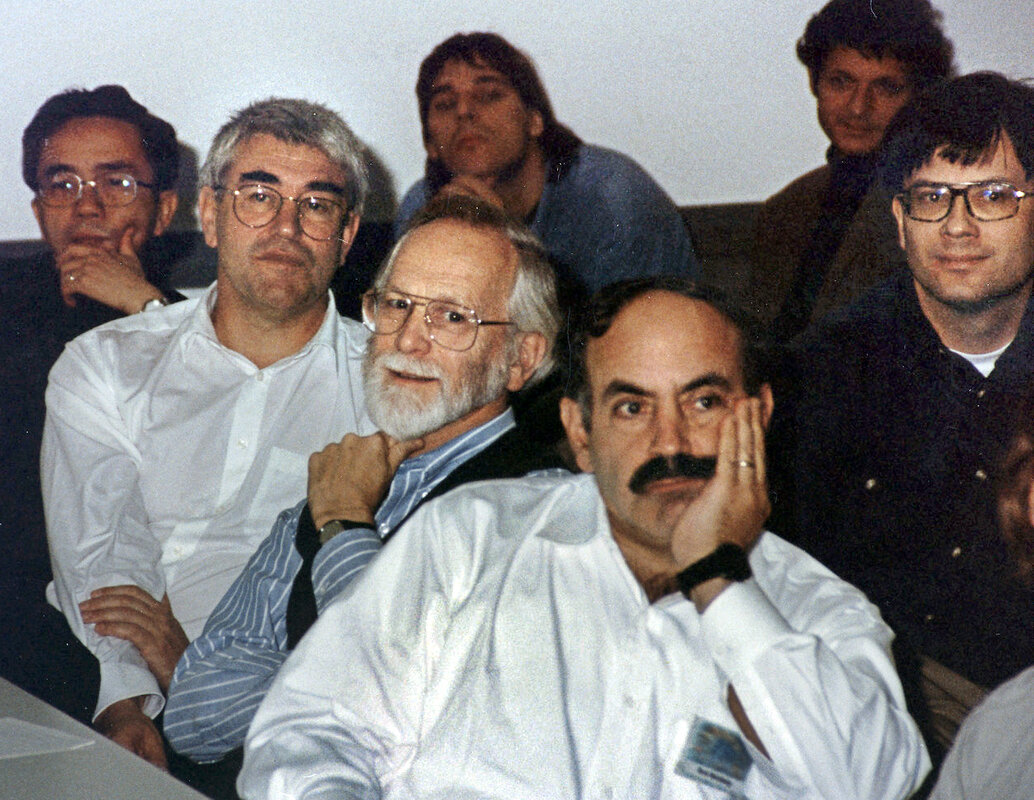
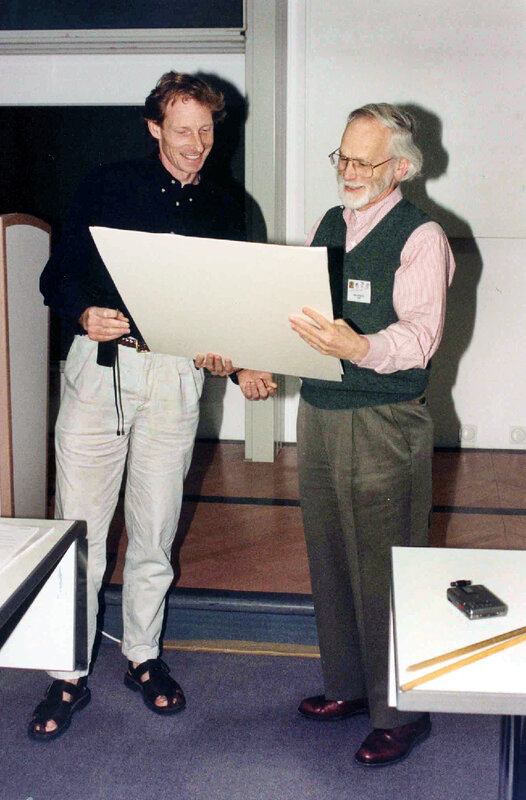
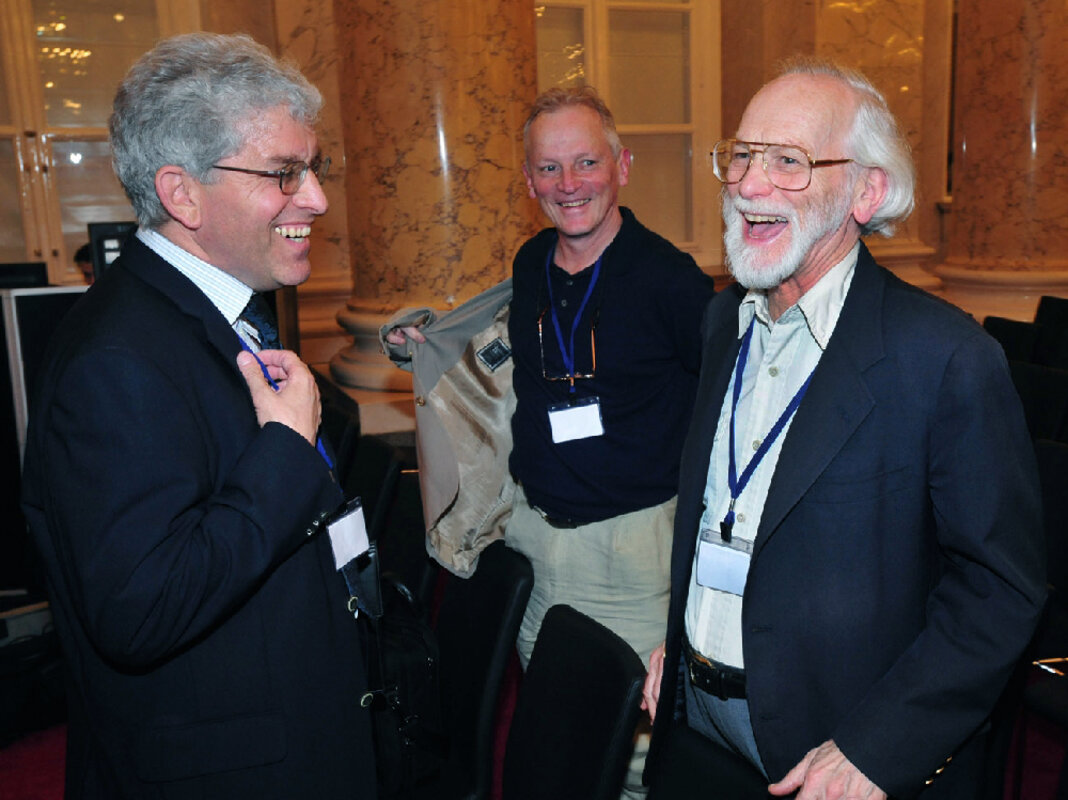
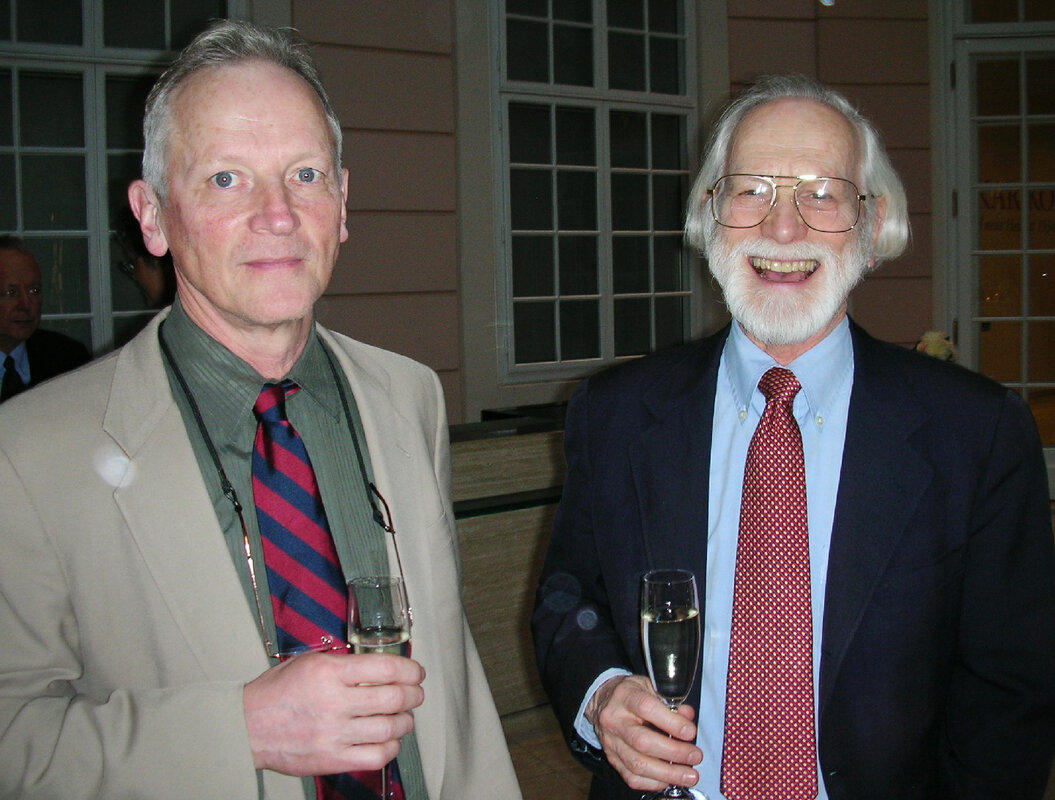
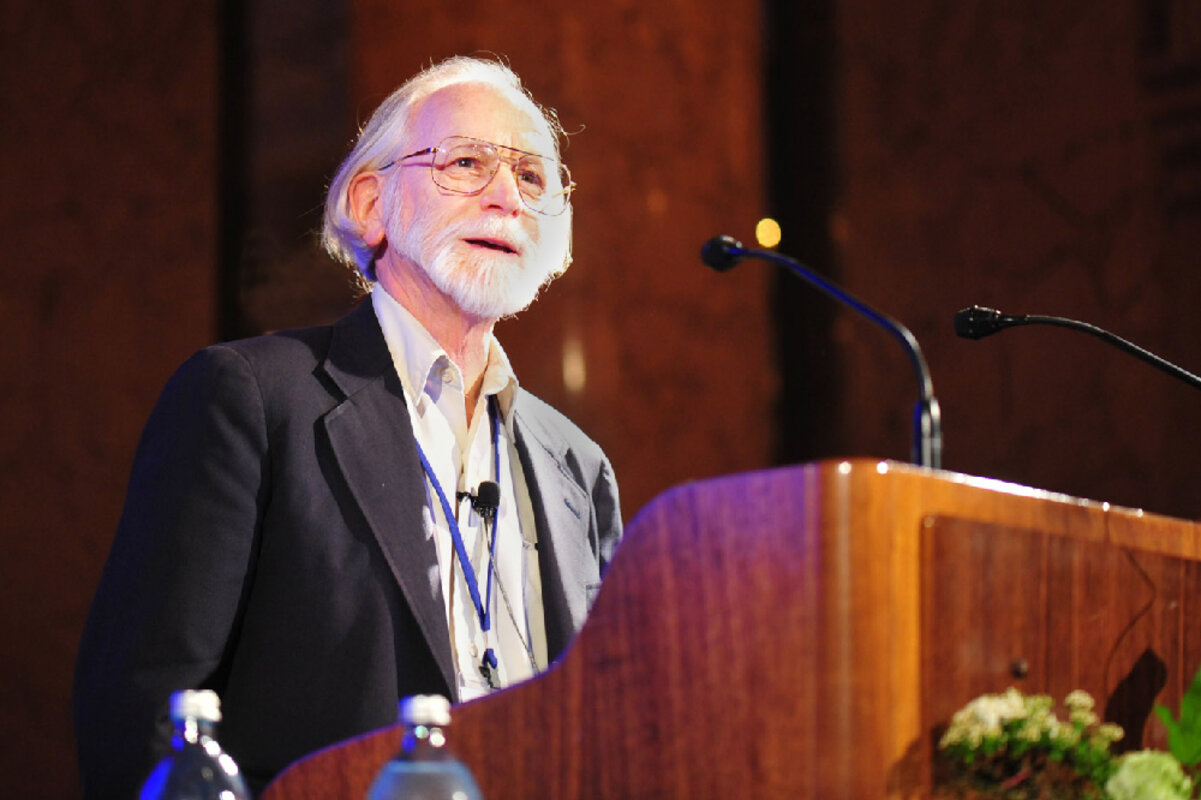
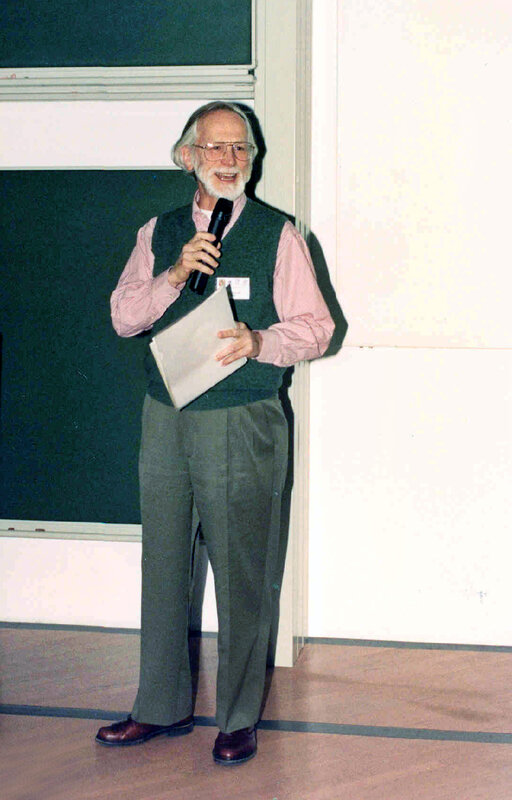
The IMP community was saddened to learn of the passing of J. Michael Bishop, pioneering cancer biologist and a member of the institute’s Scientific Advisory Board during the formative years between 1991 and 1999. Bishop’s scientific vision and expertise in cancer biology steered the IMP in a period of expansion and maturation. He remained a friend of the house and beyond his tenure, attending events such as an anniversary symposium in 2008.
Born in York, Pennsylvania, in 1936, “Mike” Bishop studied at Gettysburg College and earned his medical degree from Harvard University. He spent the vast majority of his scientific career at the University of California, San Francisco (UCSF), where he became a central figure in shaping modern biomedical research and later served as Chancellor from 1998 to 2009.
For his pioneering work on the identification of oncogenes, he was awarded the Nobel Prize in Physiology or Medicine in 1989 together with Harold Varmus. The two scientist had discovered a fundamental principle of cancer biology: that cancer-causing genes—oncogenes—originate from normal genes present in healthy cells. This insight overturned the prevailing view that cancer was driven primarily by foreign genes introduced by viruses, establishing instead that cancer arises from the deregulation of the cell’s own genetic machinery.
Their work, initially based on studies of the Rous sarcoma virus, opened an entirely new conceptual framework for understanding tumorigenesis. It laid the foundation for decades of research into proto-oncogenes, signalling pathways, and targeted therapies, ultimately contributing to treatments that precisely interfere with cancer-driving molecular mechanisms.
Beyond his scientific achievements, Bishop was a scientific leader and advocate for basic research. He championed curiosity-driven science and played an important role in promoting public investment in biomedical research, including during his tenure as Chancellor of the University of California, San Francisco.
J. Michael Bishop’s legacy endures in the conceptual foundations of cancer research and in the generations of scientists inspired by his work. His discoveries changed how we think about disease at its most fundamental level—and continue to guide efforts to understand and treat cancer today.
Gallery: J. Michael Bishop and the IMP